

Good marketing starts with a clear understanding of your business and the people you want to reach. You don’t have to be everywhere or try every new tool. Choose a few approaches that fit your goals, budget, and capacity, then adjust based on what you learn.

1. Create content that answers real questions
Think about the questions customers ask before they contact you or make a purchase. A helpful article, project story, FAQ, or guide can make the answer easier to find and show how you work. Start with a topic you know well, use clear language, and keep the information current.
A local contractor, for example, might explain what affects a project’s timeline or what a customer should prepare before requesting an estimate.
2. Choose social channels with purpose
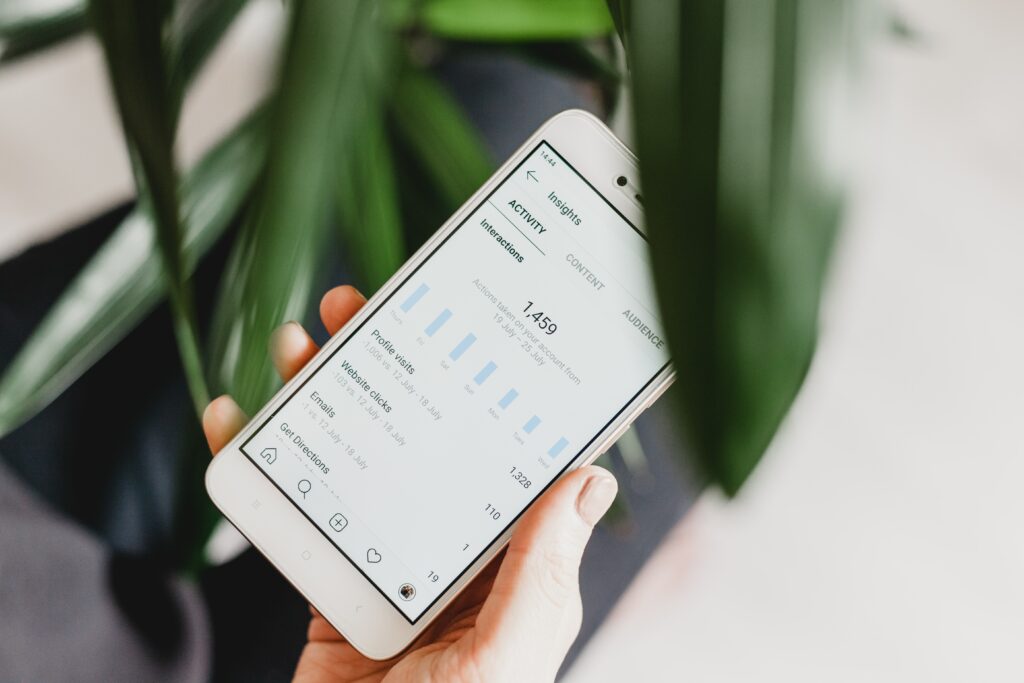
You don’t need an account on every platform. Focus on the places your customers actually use and where you can post consistently. Share useful work, answer common questions, or show the people and process behind your business.
Give visitors a clear next step, such as visiting a relevant page or contacting you. Review the results periodically rather than relying on follower counts alone.

3. Use video when it makes the story clearer
Video can show a product, introduce your team, or demonstrate a process in a way that’s difficult to explain with text alone. It doesn’t have to be elaborate: a short, well-lit explanation or walkthrough can be enough. Plan around one useful idea, make the audio clear, and include captions so more people can follow along.
4. Make useful tools and technology part of the experience
Technology is most valuable when it helps someone do something. Depending on your business, that might mean a straightforward online booking form, a project estimator, a searchable product catalog, or a custom app. Start with the problem you want to solve and make the experience easy to use.
AI can help with research or drafting, but review its output for accuracy and make sure it reflects your business.
5. Connect your online and offline marketing
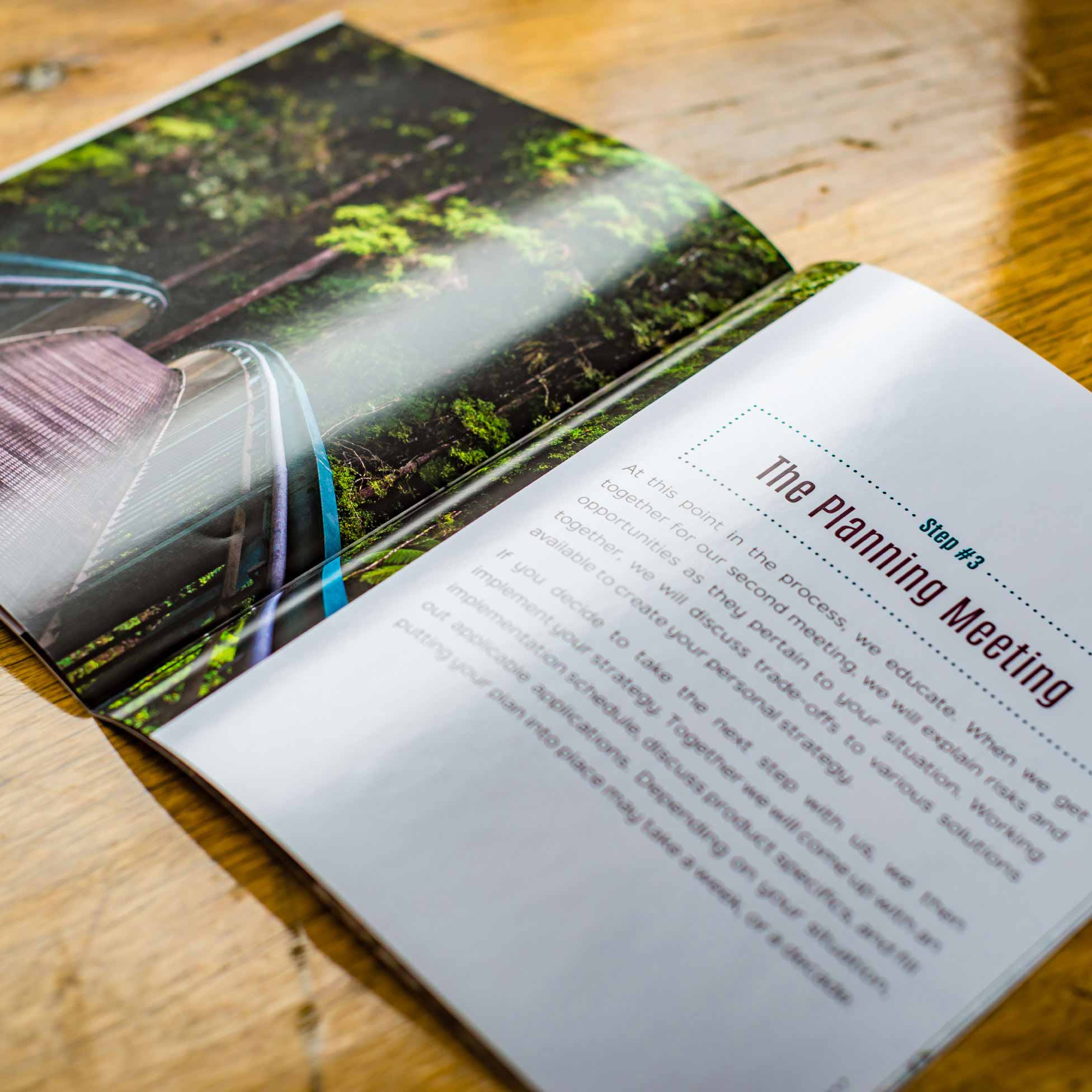
Print materials, packaging, signage, events, and in-person conversations can support your website and digital channels. Use a consistent visual identity and a clear message so people recognize your business wherever they encounter it.
A brochure or business card can point people to a useful page on your website. A QR code can help when it leads somewhere relevant and is accompanied by a readable web address.
Start small and learn
Pick one or two strategies that support a specific goal, such as more qualified inquiries or more bookings. Decide what you can maintain, make the next step easy for customers, and review what’s working. You can build on the approach as your business grows.
Originally written by Cara Thomas in 2019. Revised by Pezigns in 2026.